
- Kursk State Medical University
Overview, Fees, Life in institution & the place, Syllabus, Course Details & Student Experiences
About Kursk State Medical University
Established: 1935
Location: Kursk, Russia (approx. 500 km from Moscow)
Recognition: Approved by the National Medical Commission (NMC) of India, WHO, ECFMG (USA), and GMC (UK).
Medium of Instruction: 100% English for international students.
Total Graduates: Over 45,000 medical professionals trained since inception.
Rankings: Top-tier medical university in Russia; consistently ranked highly in global medical education directories.
Infrastructure: Includes 4 teaching buildings, 67 departments, and a dedicated Research Institute of Ecological Medicine.
Total Students: Over 9,000 students currently enrolled.
International Community: Home to more than 2,000 international students, with a massive and active Indian student population.
Faculties: 14 distinct faculties, including General Medicine, Pediatrics, Pharmacy, Dentistry, and Clinical Psychology.
Academic Staff: 630+ faculty members, including 92 D.Sc. and 333 Ph.D. holders.
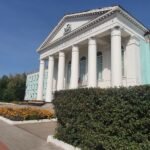
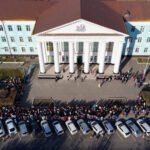
Campus Gallery
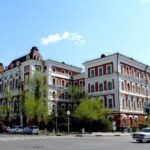
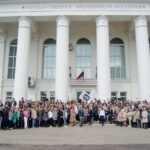
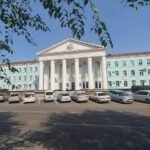
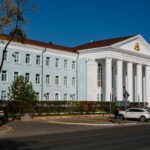
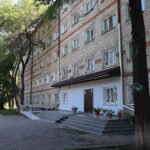
Hostel Gallery
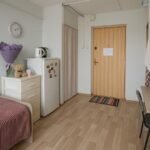
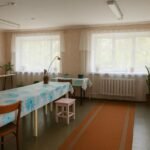
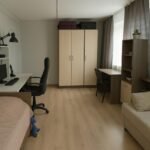

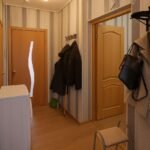
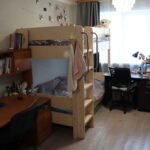


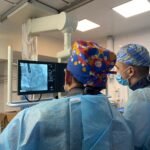
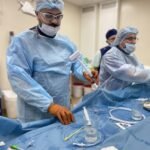
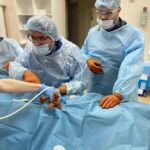
Hospital Gallery
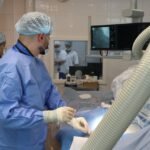
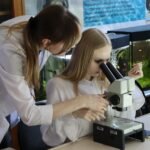
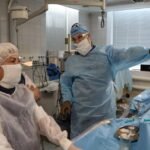
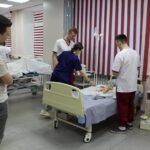
Fee Structure of Kursk State Medical University
Life in Kursk: An Indian MBBS Student’s Perspective
Kursk is a serene, historic city that offers a peaceful environment for focused study.
Language: While the course is in English, students learn basic Russian for hospital rotations.
Religion & Hospitality: The local population is known for being friendly and accustomed to international students. Hindu and Muslim festivals are celebrated with great spirit within the campus.
Arts & Education: The city features beautiful parks, theaters, and a rich history related to World War II, providing plenty of cultural exploration.
Indian Mess: Most hostels feature an Indian Mess with Indian cooks, ensuring familiar vegetarian and non-vegetarian meals (Dal, Roti, Rice, etc.).
International Options: Numerous cafes serve Italian, Middle Eastern, and American fast food.
Street Food: Local Russian snacks like Blini (pancakes) and Pirozhki are popular and affordable.
Climate: A continental climate. Winters can reach -15°C, requiring good winter gear, while summers are pleasant at around 25°C.
Transportation: The city is well-connected by trams, buses, and trolleybuses. Student passes make commuting extremely cheap.
Cost of Living: Very low compared to major cities. Monthly expenses (food + transport) average $150 to $200.
Safety: The campus and hostels have 24/7 security, CCTV, and strict entry protocols, making it very safe for female students.
Why Study MBBS at Kursk State Medical University
Based on student testimonials, news reports, and consultant reviews:
Pioneer in English Education: KSMU has the longest experience in teaching MBBS in English in Russia.
Affordable Excellence: High-quality education at a fraction of the cost of Indian private colleges (Tuition approx. $5,100 – $6,200 per year).
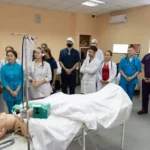
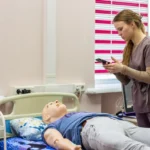
Advanced Simulation: The university hosts a world-class simulation center where students practice surgeries on high-fidelity mannequins before moving to hospitals.
Community Support: A very strong Indian student union that assists newcomers with everything from airport pickups to academic coaching for the FMGE/NExT exam.
Course Duration at Kursk State Medical University
The total duration for the MBBS (MD) program is 6 years.
First 5 Years: Theoretical and clinical training in various medical departments.
Final Year: Dedicated to a clinical internship, where students gain hands-on experience in affiliated government hospitals.
Life in Russia from the students' perspective
Students describe Russia as a land of discipline and opportunity.
Indian Community: With thousands of Indian students across Russia, you never feel alone. Diwali and Republic Day are major events.
Education System: Focuses on small group learning (usually 10-15 students per group) which ensures personalized attention.
Nature & Tourism: Students enjoy exploring the “Golden Ring” of Russia and visiting Moscow, which is just a 6-hour train ride away.
Local People: Russians generally respect Indians for their academic dedication and have a deep historical appreciation for Indian culture.
Eligibility Criteria for MBBS in Russia
Indian students applying for MBBS admissions in Russia must fulfil the following eligibility criteria:
- Minimum 50% score in Physics, Chemistry, and Biology in Class 12 and passing marks in English.
- Attained the age of 17 as of 31st December in the admission year.
- Cleared NEET exam (in order to practice medicine in India) (50th percentile for general/EWS category and 40th percentile for SC/ST/OBC category)
Benefits of MBBS in Russia
Global Recognition: Degrees are valid for licensing exams like USMLE (USA), PLAB (UK), and NExT (India).
Subsidized Fees: Medical education is subsidized by the Russian government, keeping tuition fees low.
Direct Admission: Based on NEET qualification; no separate entrance exams like IELTS or TOEFL are required.
Practical Exposure: Students get to study on actual human cadavers, which is a significant advantage over many other countries.
MBBS Syllabus in Kursk State Medical University
| Year | Core Subjects Covered |
| 1st Year | Anatomy, Histology, Biology, Chemistry, Physics, Russian Language. |
| 2nd Year | Biochemistry, Physiology, Microbiology, Psychology, Cell Biology. |
| 3rd Year | Pathological Anatomy, Pharmacology, Pathophysiology, General Surgery. |
| 4th Year | Internal Medicine, Pediatrics, Neurology, Oncology, Obstetrics. |
| 5th Year | ENT, Ophthalmology, Psychiatry, Urology, Infectious Diseases. |
| 6th Year | Advanced Surgery, Emergency Medicine, Forensic Medicine, Clinical Internship. |
FAQ
MBBS abroad is a better options then private medical in India, especially in terms of cost, private medical in India costs a fortune more then that of many countries abroad.
Comparing FMG exam with NEET, we can safely say it is not at all a tough exam. Although there are no specific matrix to judge how tough an exam is, but considering the passing ratio of FMG exam which is roughly 20-25% to that of the percentage of candidates who get selected for government medical college through NEET which is roughly 0.02%, FMG exam is definitely a tough exam in the field of medical studies.