
- MBBS in Uzbekistan
Overview, Top Colleges, Life in Uzbekistan, Eligibility, Course Details & Admission Procedures
MBBS in Uzbekistan: Popular College Fees
| University / Institution name | Annual Fees | Hostel & Mess | Visa & Reg. | 6 year total (all inclussive) |
|---|---|---|---|---|
| Tashkent State Medical University | $3,500 | $1,800 | $300 | $38,250 |
| Karshi State University (FoM) | $3,200 | $1,600 | $600 | $33,950 |
| Andijan State Medical University | $3,850 | $1,800 | $300 | $39,000 |
| Bukhara State Medical Institute | $3,600 | $1,600 | $300 | $35,950 |
| Samarkand State Medical University | $3,850 | $1,800 | $300 | $39,000 |
| Urgench State Medical Institute | $3,400 | $1,800 | $300 | $35,950 |
| Medical Institute of Karakalpak | $3,250 | $1,800 | $300 | $35,500 |
| Fergana Med. Institute of Public Health | $3,600 | $1,950 | $300 | $38,950 |
| Alfraganus University, Tashkent (FoM) | $3,500 | $2,100 | $300 | $38,750 |
About Uzbekistan
Uzbekistan is one of the fastest-growing destinations for Indian students pursuing MBBS abroad. Located in the heart of Central Asia, the country is known for its safe cities, affordable cost of living, rich cultural heritage, and strong emphasis on higher education. Over the past few years, Uzbekistan has welcomed thousands of international medical students by offering English-medium MBBS programs at government universities.
Medical universities in Uzbekistan provide modern infrastructure, experienced faculty, and clinical training in affiliated hospitals. For Indian students, the country offers an excellent balance of affordability and quality, with annual tuition fees starting from around USD 3,000 at selected universities.
Another major advantage is the availability of Indian hostels, Indian food, and dedicated student support, making it easier for students to adapt to a new environment. With NMC-compliant medical universities, a student-friendly atmosphere, and growing recognition among Indian aspirants, Uzbekistan has become one of the most preferred destinations for students who wish to pursue an affordable and quality medical education abroad.
Quick Facts About Uzbekistan
🇺🇿 Capital: Tashkent
👥 Population: Approximately 37 million
💰 Currency: Uzbek Som (UZS)
🌍 Region: Central Asia
🗣 Languages: Uzbek (Russian widely spoken)
✈ Flight Time from India: Around 3–4 hours
🌤 Climate: Four distinct seasons with warm summers and cold winters
🎓 Popular for: Affordable, English-medium MBBS programs at government universities
🍛 Student Facilities: Indian hostel, Indian mess, and a growing Indian student community
Popular Medical Colleges in Uzbekistan
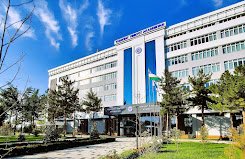
Tashkent State Medical University
Overview, Gallery, Fees, Life in the institution & the place, Course Details, Syllabus & Student Experiences
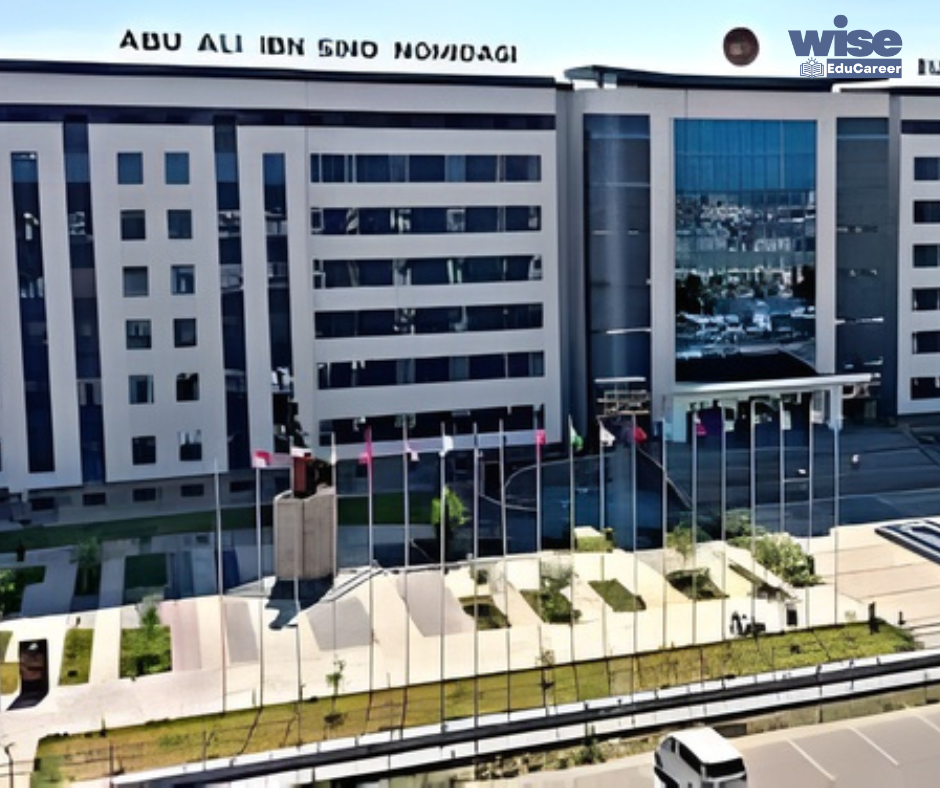
Bukhara State Medical Institute
Overview, Gallery, Fees, Life in the institution & the place, Course Details, Syllabus & Student Experiences
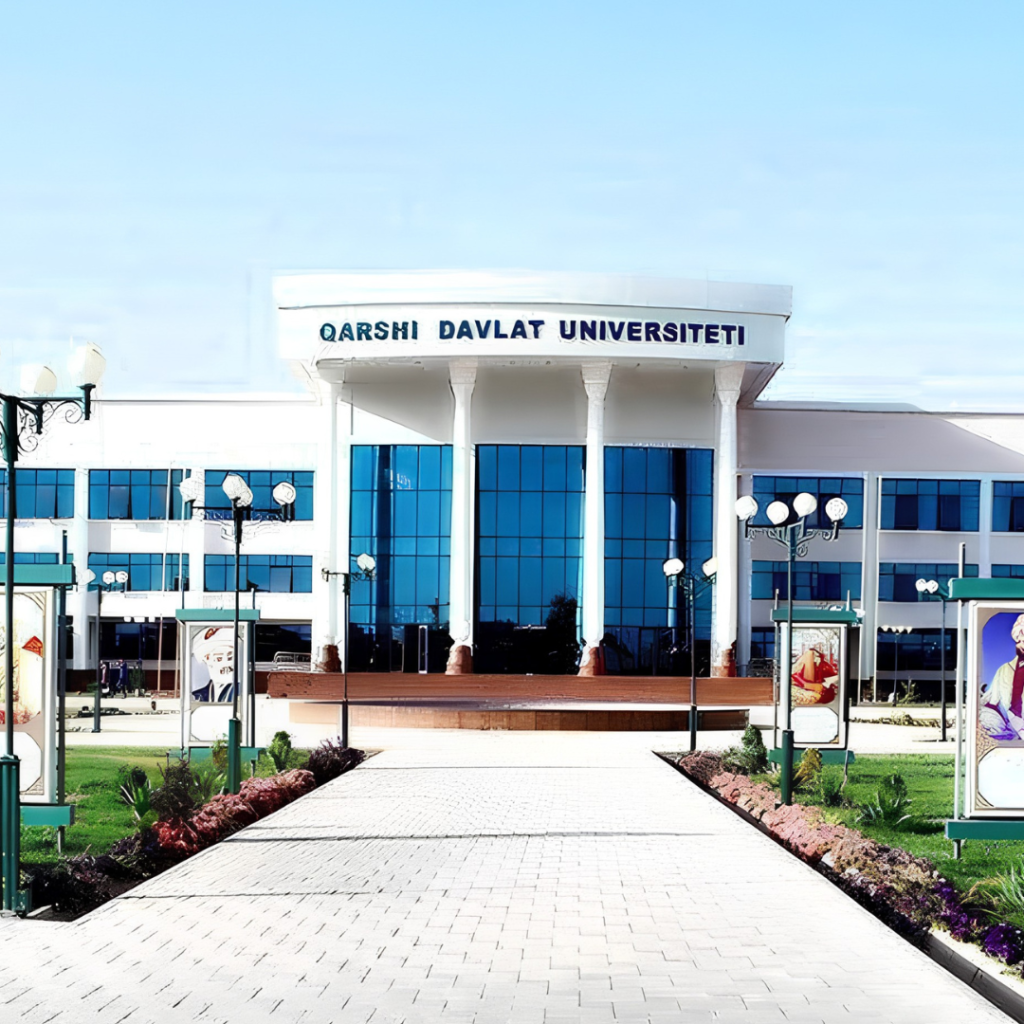
Karshi State University
Overview, Gallery, Fees, Life in the institution & the place, Course Details, Syllabus & Student Experiences
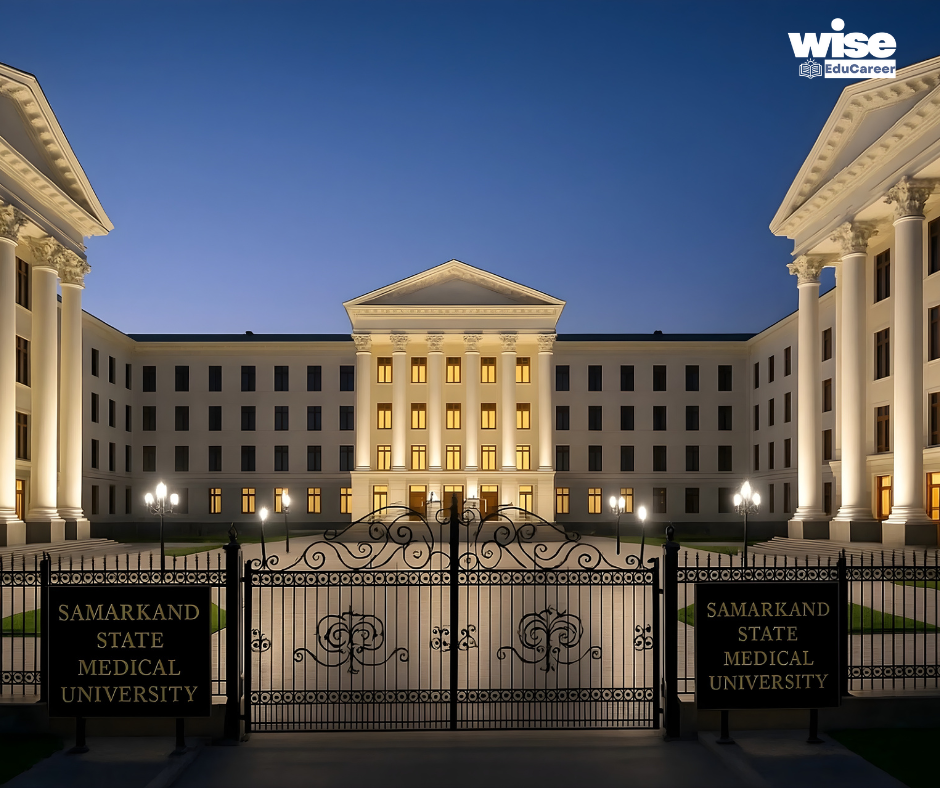
Samarkand State Medical University
Overview, Gallery, Fees, Life in the institution & the place, Course Details, Syllabus & Student Experiences
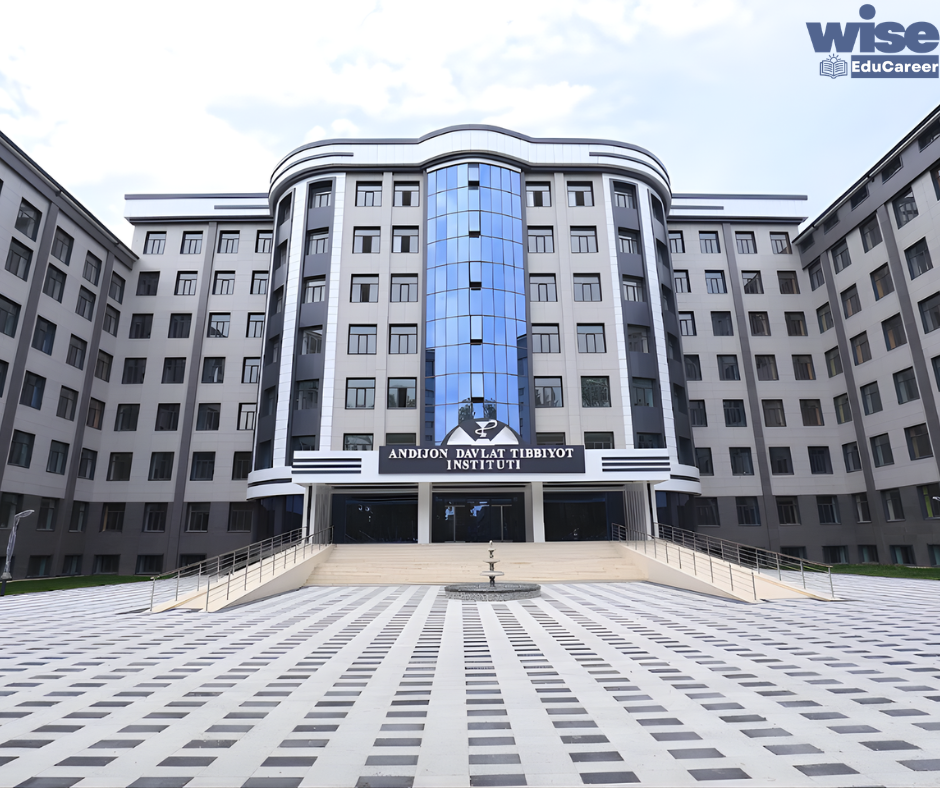
Andijan State Medical Institute
Overview, Gallery, Fees, Life in the institution & the place, Course Details, Syllabus & Student Experiences
Book Free Counselling
Life in Uzbekistan from the students' perspective
Cost of Living: Uzbekistan is known for its affordability, especially when it comes to the cost of living. Students can find that their expenses for accommodation, transportation, and food are quite reasonable compared to other countries. This economic advantage allows students to manage their finances effectively while pursuing their studies.
Weather: The climate in Uzbekistan varies greatly, ranging from arid to continental. Summers can be hot, with temperatures soaring above 40°C, while winters are cold, especially in the north. Indian students may need time to adjust to the temperature extremes, particularly the chilly winters.
Food: Uzbek cuisine offers a delightful array of flavors, heavily influenced by its agricultural produce and nomadic past. Staple dishes like plov (rice pilaf) and hearty soups are common, and Indian students might find the generous use of spices in some Uzbek dishes pleasantly familiar. The culinary scene provides an opportunity to explore new tastes while finding comfort in the spice-infused meals.
English Proficiency: While Uzbek is the official language, Russian is also widely spoken due to the country’s Soviet past. English proficiency is growing, especially among the younger population and within academic institutions, making it increasingly convenient for international students to communicate and engage with locals.
Cultural Similarities: India and Uzbekistan share historical ties, with influences seen in architecture, music, and literature. Indian students may find these cultural connections comforting, as they echo a shared heritage that spans centuries.
Education System: Uzbekistan’s education system has undergone significant reforms, aiming to align with international standards. The structure includes primary, secondary, and higher education, with several universities offering a wide range of programs in English to cater to international students.
Travel Opportunities: From the ancient Silk Road cities of Samarkand, Bukhara, and Khiva to the modern capital of Tashkent, Uzbekistan offers rich travel experiences. Students can explore UNESCO World Heritage sites, vibrant bazaars, and stunning landscapes during their stay.
Safety: Uzbekistan is generally considered safe for students. The country has made strides in ensuring public security, and the presence of tourist police in city centers contributes to a secure environment for international students.
Festivals and Celebrations: Uzbekistan celebrates a variety of festivals, such as Navruz (the Persian New Year) and Independence Day, with traditional music, dance, and feasts. These events provide a festive atmosphere where students can immerse themselves in local culture and traditions.
Social Life: Uzbekistan’s social life for students is enriched by various extracurricular activities and clubs at universities. These include sports, cultural events, and academic societies, offering students ample opportunities to socialize, learn, and grow outside the classroom.
Why MBBS in Uzbekistan?
Internationally Recognized Medical Degree: Uzbekistan’s medical education provides an MD degree, equivalent to the MBBS in India and recognized by the World Health Organization (WHO), the National Medical Commission (NMC) of India, and other global medical bodies. This ensures that graduates are eligible for international medical exams like the USMLE for practice in the USA and the FMGE in India.
High-Quality Education: Modeled after global standards, Uzbekistan’s medical education system offers state-of-the-art facilities and a curriculum comparable to those in the USA, UK, and Canada. The focus on practical training and clinical exposure prepares students for global medical challenges.
Affordable Medical Education: With no hidden costs or donations, the tuition fees for MBBS in Uzbekistan are reasonable, ranging from 14 to 15 Lakh INR for the entire course. This affordability extends to living expenses, making medical education accessible to a broader range of students.
Language Proficiency: While Uzbek is the official language, English is widely used in medical universities, facilitating a smooth educational experience for international students. The presence of Indian faculty and the availability of Indian food in college hostels also help create a comfortable environment for Indian students.
Cost of Living: Uzbekistan offers a low cost of living, with monthly expenses for students averaging between 15-20 Thousand INR. This allows students to maintain a comfortable lifestyle without financial strain.
Safe and Conducive Environment: Known for its stability and safety, Uzbekistan provides a secure atmosphere for students. The country’s rich cultural heritage and warm hospitality make it an inviting place for international students.
Cultural Experience: With a history that intertwines with India’s through the Silk Road, Uzbekistan offers a cultural experience that resonates with Indian students. The country celebrates a variety of festivals and traditions, providing a colorful backdrop to the educational journey.
Global Career Opportunities: Graduates from Uzbek medical universities are equipped to pursue careers worldwide. The country’s growing healthcare sector and international partnerships offer ample opportunities for medical professionals.
Eligibility for Admission
The eligibility criteria for Indian students to pursue MBBS in Uzbekistan are as follows:
Age: Candidates must be at least 17 years old on or before 31st December of the year of admission.
Educational Qualification: Students must have completed their 10+2 (or equivalent) with Physics, Chemistry, and Biology (PCB) as subjects.
Minimum Marks: General category candidates must have at least 50% marks in PCB, while reserved category candidates (like SC/ST/OBC) need 40% marks in PCB.
NEET: Candidates must have qualified the NEET exam if they wish to practice in India after completing their MBBS.
Admission Procedures
The Admission Procedure in the Philippines is quite easy and simple. To take admission in medical schools, you have to fulfill certain eligibility criteria then you can proceed with the process. You should precisely follow the steps to avoid any hassle at the time of admission. Contact Us for taking admission to any of the top medical colleges in the Philippines. Follow some simple steps to get admission:
- Profile Assessment (Free)
- University Shortlisting
- Document Processing
- Admission Letter
- Visa Processing
- Pre-Departure Briefing
- Airport Reception
- University Registration
Syllabus & Tenure of Education
The duration of the General Medicine (MBBS) course in Uzbekistan is 6 years, which includes 5 years of academic learning and 1 year of internship.
The detailed syllabus for the General Medicine (MBBS) undergraduate course in Uzbekistan is structured to provide a comprehensive medical education. Here’s a summary of the syllabus:
Pre-Clinical Course (Years 1-2):
Anatomy: Study of the human body structure.
Physiology: Understanding the functions of organs and systems.
Biochemistry: Chemical processes within and related to living organisms.
Biophysics: Application of physics principles to biological processes.
Histology: Examination of tissues under the microscope.
Embryology: Development of an embryo from the fertilization of the ovum.
Para-Clinical Course (Years 3-4):
Pathology: Study of diseases, their causes, and effects.
Microbiology: Study of microorganisms and their impact on health.
Pharmacology: Drugs and their effects on the body.
Forensic Medicine: Medical aspects of law.
Community Medicine: Health care issues affecting communities.
Clinical Course (Years 5-6):
Internal Medicine: Diagnosis and treatment of internal organ diseases.
Surgery: Surgical techniques and patient management.
Pediatrics: Health and diseases in children.
Obstetrics and Gynecology: Reproductive health and childbirth.
Psychiatry: Mental health and disorders.
Dermatology: Skin conditions and treatments.
Ophthalmology: Eye diseases and treatment.
ENT (Ear, Nose, Throat): Diseases of the ear, nose, and throat.
Radiology: Imaging techniques for diagnosis.
Anesthesiology: Pain relief and patient care during surgery.
Internship (Year 6):
Practical experience in hospitals across various departments.
This syllabus is designed to ensure that students gain a deep understanding of medical science, both in theory and practice, preparing them for a successful career in medicine
FAQ
MBBS abroad is a better options then private medical in India, especially in terms of cost, private medical in India costs a fortune more then that of many countries abroad.
Comparing FMG exam with NEET, we can safely say it is not at all a tough exam. Although there are no specific matrix to judge how tough an exam is, but considering the passing ratio of FMG exam which is roughly 20-25% to that of the percentage of candidates who get selected for government medical college through NEET which is roughly 0.02%, FMG exam is definitely a tough exam in the field of medical studies.