
- Kuban State Medical University
Overview, Fees, Life in institution & the place, Syllabus, Course Details & Student Experiences
About Kuban State Medical University
Recognition: Approved by the National Medical Commission (NMC) of India, World Health Organization (WHO), and listed in the World Directory of Medical Schools (WDOMS).
Medium of Instruction: Entirely in English for international students.
Affiliation: Ministry of Health of the Russian Federation.
Accreditation: Accredited by the Russian Ministry of Education and recognized by ECFMG (USA) and GMC (UK).
Ranking: Top 50 medical universities in Russia; globally ranked within the top 3,000 institutions.
Total Graduates: Over 100,000 highly qualified specialists trained since founding.
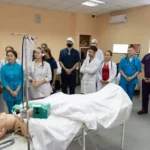
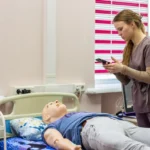
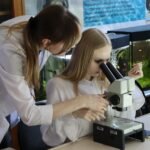
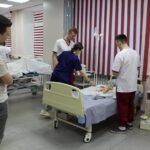
Infrastructure: 64 departments, 900+ classrooms/laboratories, 12 lecture halls, and a state-of-the-art Medical Simulation Center.
Students: Over 6,000+ students currently enrolled.
International Community: 500+ international students from over 40 countries, with a significant Indian population.
Faculties: 7 distinct faculties, including General Medicine (MBBS), Pediatrics, Dentistry, Pharmaceutical, and Preventive Medicine.
Faculty Members: 624+ academic staff, including 123 Academicians and 371 Candidates of Science.
Campus Gallery
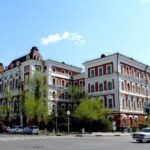

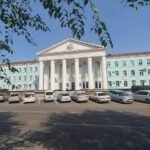
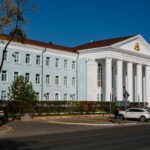

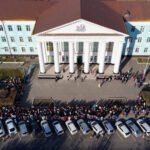
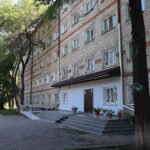
Hostel Gallery








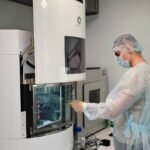
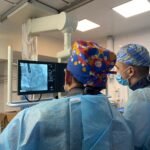
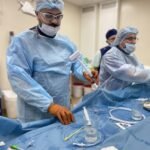
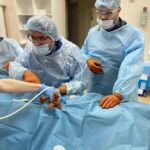
Hospital Gallery
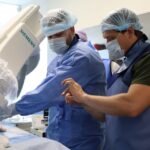
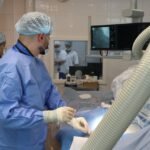
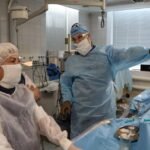
Fee Structure of Kuban State Medical University
Life in Krasnodar: An Indian MBBS Student’s Perspective
Language: While the university teaches in English, Russian is the local language. Students pick up basic Russian to interact with patients during clinical rotations.
Religion & Hospitality: Krasnodar is known for its warm, southern hospitality. While predominantly Orthodox Christian, the city is multicultural and respectful of all faiths, including Hinduism and Islam.
Arts & Entertainment: The city is a cultural capital with numerous theaters, the Galitsky Park (one of Europe’s most beautiful parks), and vibrant youth-centric street art.
Traditional Cuisine: Students enjoy local staples like Borscht and Blini.
International Options: Krasnodar has a growing scene of Indian restaurants and cafes.
Street Food & Groceries: Affordable street food like Shawarma is popular. Indian students often cook together, as local markets provide all necessary spices, lentils, and fresh produce.
Climate: Krasnodar has a moderate continental climate. Winters are mild compared to Northern Russia (avg. -5°C to 5°C), while summers are long and warm (up to 30°C).
Transportation: A well-connected network of trams, buses, and trolleybuses makes commuting cheap and easy.
Cost of Living: Very affordable for Indian students. Monthly expenses (excluding rent/hostel) typically range from $150 to $250.
Safety: The city is considered very safe for international students, with university hostels providing 24/7 security.
Why Study MBBS at Kuban State Medical University?
Based on student reviews, consultant feedback, and social media trends:
High FMGE Success: KSMU is noted for having a commendable pass percentage for the FMGE/NExT exam in India.
Clinical Exposure: Students have access to top-tier affiliated hospitals and a world-class simulation center for hands-on practice.
Affordability: The fee structure is significantly lower than private medical colleges in India, with tuition around 4,82,000 RUB per year.
No Entrance Exams: Admission is based on NEET qualification; no IELTS or TOEFL is required.
Course Duration at Kuban State Medical University
The total duration of the MBBS (General Medicine) program is 6 years.
First 5 Years: Intensive classroom learning, laboratory work, and clinical rotations.
Final 1 Year: A mandatory rotating internship where students work directly in hospitals under supervision.
Life in Russia from the students' perspective
Indian students in Russia describe a life of balance. The Indian Community is vast, with seniors often guiding juniors through “Indian Mess” facilities and cultural celebrations like Diwali and Holi.
Safety: Russia provides a secure environment with strict campus regulations.
Education System: It follows the European standard (ECTS), focusing on practical “cycles” rather than just end-of-year exams.
Nature & Tourism: Students often travel to Moscow, St. Petersburg, or the nearby Black Sea coast (Sochi) during vacations.
Local Impression: Russians generally view Indians as hard-working and respectful; there is a long-standing historical friendship between the two nations.
Eligibility Criteria for MBBS in Russia
Indian students applying for MBBS admissions in Russia must fulfil the following eligibility criteria:
- Minimum 50% score in Physics, Chemistry, and Biology in Class 12 and passing marks in English.
- Attained the age of 17 as of 31st December in the admission year.
- Cleared NEET exam (in order to practice medicine in India) (50th percentile for general/EWS category and 40th percentile for SC/ST/OBC category)
Benefits of MBBS in Russia
Global Recognition: Degrees are valid for licensing exams in the USA (USMLE), UK (PLAB), and India (NExT).
Subsidized Education: The Russian government heavily subsidizes medical education for international students.
Dual Degree Options: Many universities offer joint programs with European institutions.
Modern Infrastructure: Students train on the latest medical technology and cadavers, which is often restricted in other countries.
MBBS Syllabus in Kuban State Medical University:
| Phase | Years | Key Subjects |
| Pre-Clinical | 1st – 2nd | Anatomy, Histology, Biochemistry, Physiology, Latin, Russian Language. |
| Para-Clinical | 3rd | Microbiology, Pathology, Pharmacology, Pathophysiology, General Surgery basics. |
| Clinical | 4th – 6th | Internal Medicine, Pediatrics, Oncology, Neurology, Gynaecology, Emergency Medicine, and Internship. |
FAQ
MBBS abroad is a better options then private medical in India, especially in terms of cost, private medical in India costs a fortune more then that of many countries abroad.
Comparing FMG exam with NEET, we can safely say it is not at all a tough exam. Although there are no specific matrix to judge how tough an exam is, but considering the passing ratio of FMG exam which is roughly 20-25% to that of the percentage of candidates who get selected for government medical college through NEET which is roughly 0.02%, FMG exam is definitely a tough exam in the field of medical studies.